OpenAI Rebuilt Its Checkout Twice. The Liability Never Moved.
OpenAI did not retreat from agentic commerce. It changed layers — and left the liability exactly where it was.

OpenAI did not retreat from agentic commerce. It changed layers — and left the liability exactly where it was.
Dollarization removes currency risk and replaces it with something harder to see.

The capital requirement is a headline. The five-day settlement rule is the business model.
Banks can lock agents out of the app. They cannot lock them out of the card rail.
A marketplace that holds the checkout but not the inventory has an acquirer's power and none of its obligations.
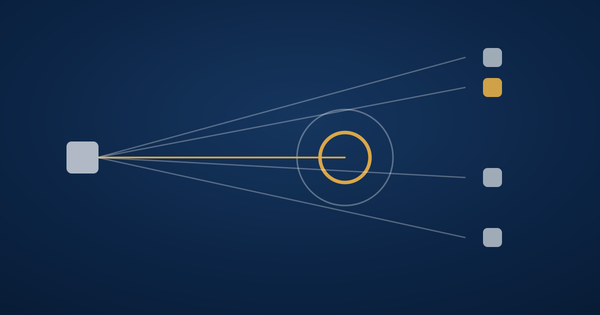
Visa tested 22 models as shoppers. The number that matters is what they did after they failed.
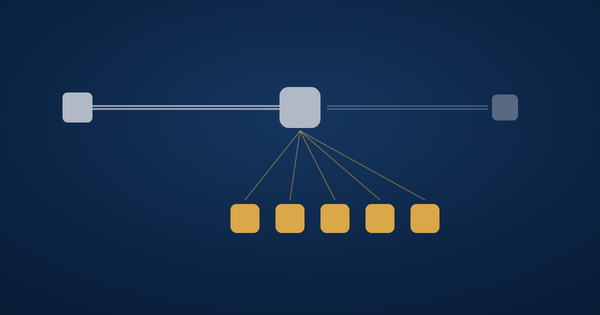
The sending of remittances is solved. The receiving of them is not, and it belongs to nobody.
Compliance and service are different measurements. Most processors only have the first one.
Anthropic's commerce blueprint ships everything except the part that decides who pays when an agent gets it wrong
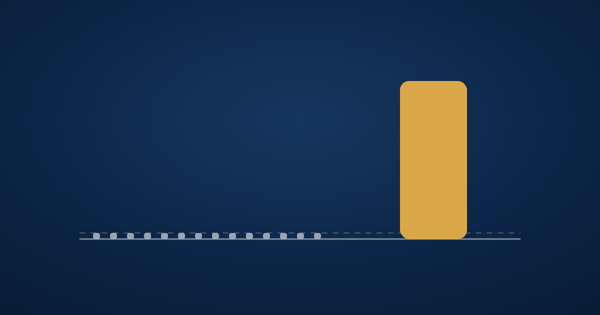
Visa published the first volume figures for machine payments. Divide them: the average ticket is seventy-six cents, not a fraction of one. Then read what the same report concedes about liability.
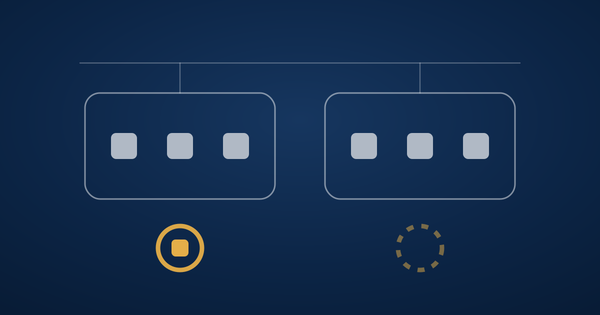
Both networks announced agent payments on 10 June. Visa built a better decision. Mastercard used the word guaranteed — and that is the whole difference.

The Fed's agentic commerce roundtable put Visa, Stripe, Amazon and Cloudflare in one room and published a guest list. Read the roster — and notice who was not invited.
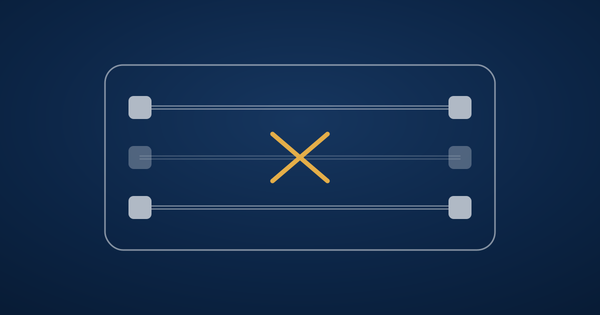
It reads as a crackdown. It is the second step of one policy, and the first step made it possible.

The first liability commitment in agentic commerce came from the only network that could make one alone.
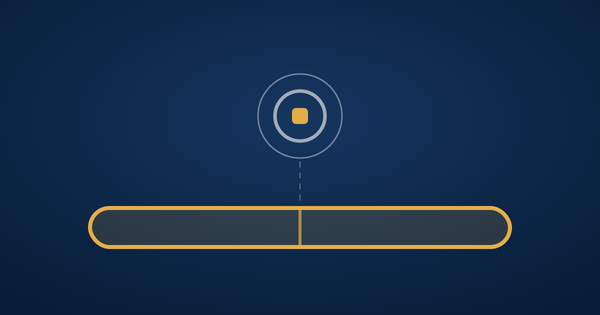
The OCC set stablecoin redemption at two business days, with a seven-day gate above 10% in twenty-four hours. That is not a deposit. It is a fund with a payment interface — and it changes what the instrument can sit underneath.
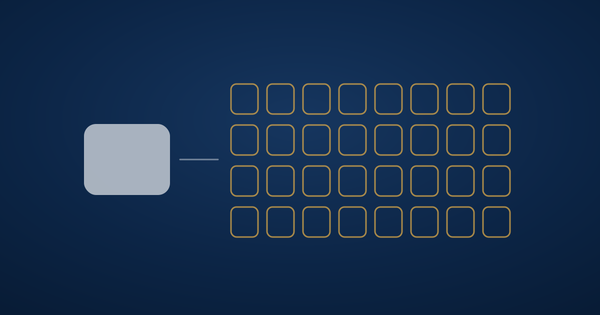
The budget estimates construction. The money goes on discovery, duplication and evidence. In a well-run migration, proving correctness costs more than achieving it.
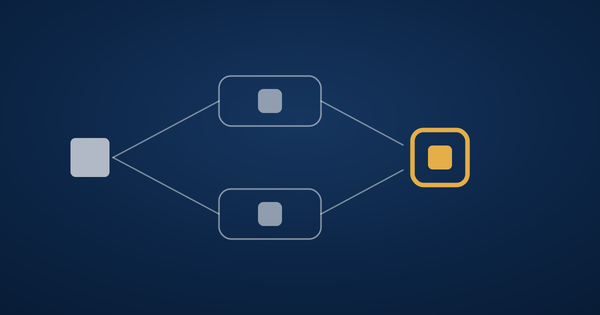
Google published a payments protocol in September and a commerce protocol in January. The second one is where the money is — and the retailer still eats the dispute.

An open-source licence is not neutral governance. Payments learned that difference forty years ago.
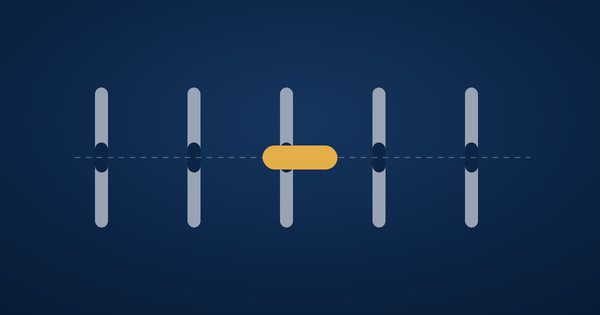
The agent credential was shaped to fit fields nobody changed. Adoption goes up, issuer visibility goes down.
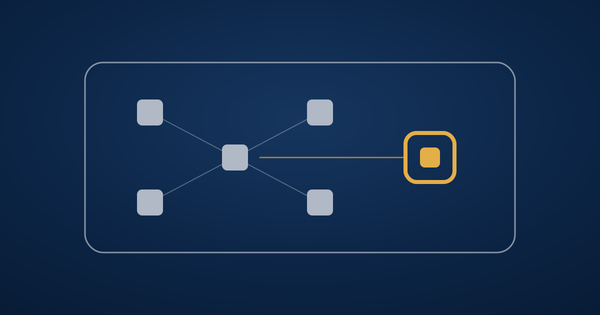
The US built a new regime for stablecoins. Brazil widened the definition of foreign exchange.

The first dispute mechanism in agentic commerce did not come from a card network. It came from a wallet.
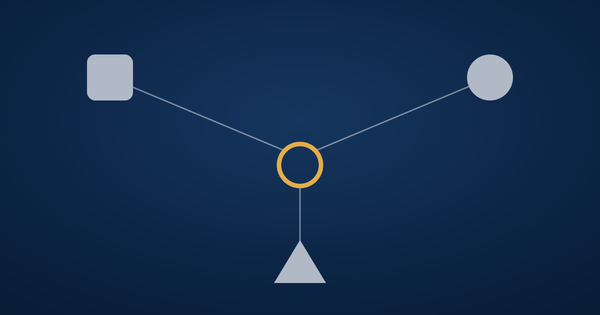
Three standards in thirteen days, and each one assumes a different party is really doing the buying.
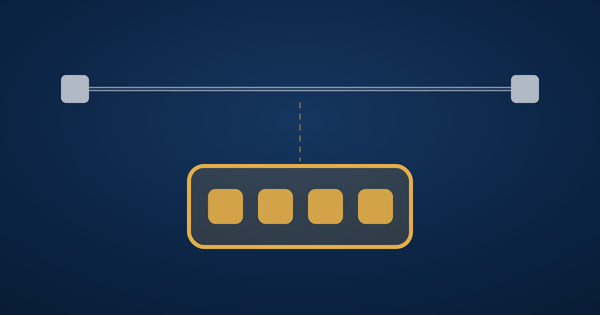
Visa will let businesses prefund payouts in stablecoins. It does not make the transfer faster — it makes the parked capital cheaper, and that was always the real price.

A Fed governor told a blockchain conference there was nothing to fear in the technology. He was right. Correspondent banking — the thing that is actually broken for everyone outside the dollar — never came up.