Three Protocols in Thirteen Days. They Do Not Agree on What an Agent Is.
Three standards in thirteen days, and each one assumes a different party is really doing the buying.
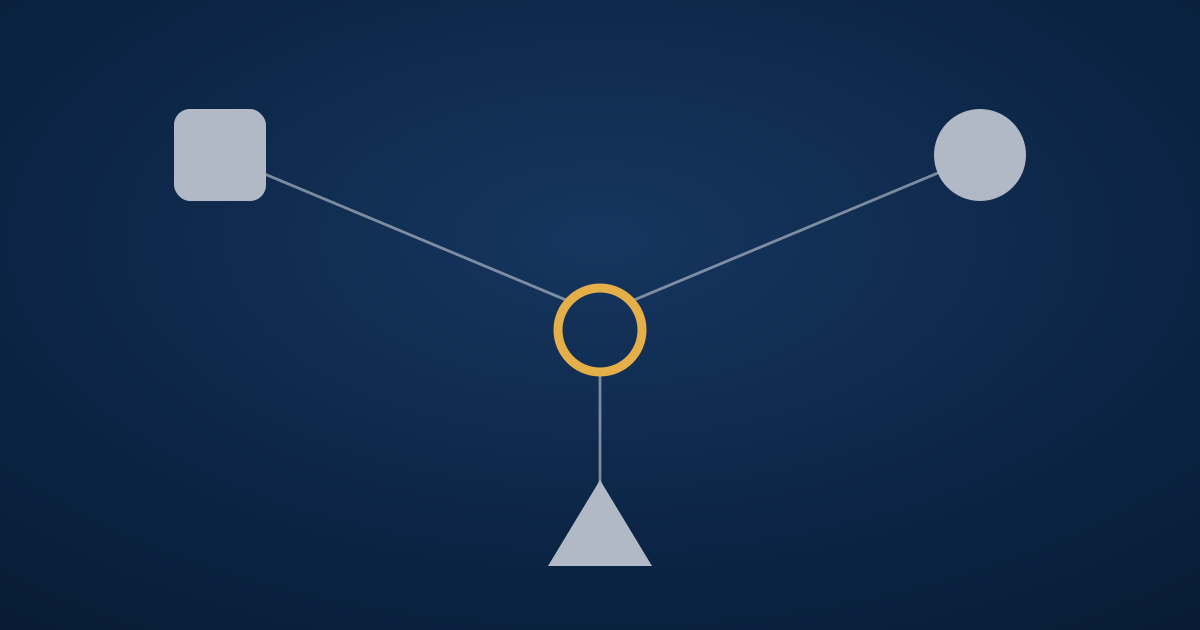
Google, Coinbase and OpenAI each shipped a standard this month. Each one assumes a different party is really doing the buying.
Thirteen days. Three protocols.
On 16 September, Google published the Agent Payments Protocol. On 23 September, Cloudflare and Coinbase announced the x402 Foundation. On 29 September, OpenAI and Stripe launched Instant Checkout together with the Agentic Commerce Protocol.
The commentary has settled into a familiar shape: a standards war, three contenders, somebody will win. I think that framing is wrong and it is hiding the actual finding.
These three protocols are not competing. They are answering three different questions. And underneath the three questions are three incompatible assumptions about who is really buying — which is the one thing that has to be settled before anybody can write a dispute rule.
So it is worth reading all three properly, side by side, which as far as I can tell nobody has bothered to do.
AP2: proving what the human agreed to
Google's protocol is built around mandates — digital contracts that record what the user authorized, described as tamper-proof, cryptographically signed records backed by verifiable credentials.
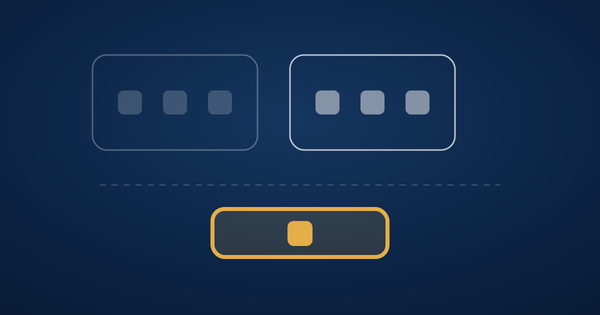
The mechanism is more specific than the summaries suggest. When a shopper is present, an Intent Mandate captures the request. The shopper then approves a cart, signing a Cart Mandate that locks in the items and the price. When the shopper is not present — Google calls this delegated shopping — the user sets conditions in advance, a price limit and a timing window, and the agent produces a Cart Mandate once those conditions are satisfied.
The chain of mandates links intent to payment. Google's own description of what this accomplishes is that it creates a non-repudiable audit trail addressing authorization and authenticity, which provides a basis for accountability.
The backing is substantial: Mastercard, PayPal, American Express and Coinbase, with Salesforce, Shopify, Cloudflare and Etsy among early adopters, and more than sixty companies in total.
Note what AP2 assumes. There is a human principal. The agent is an instrument acting under a signed authorization from that human. Everything in the design serves one goal: proving later what the person agreed to beforehand.
x402: software paying software
Coinbase's protocol does something philosophically different, and it does it by reaching for a piece of the web that has been sitting unused since 1997.
HTTP 402 is the status code called Payment Required. It was reserved in the original specification and then never standardized, a placeholder that every web developer has seen in the documentation and never had a use for. x402 finally gives it one.
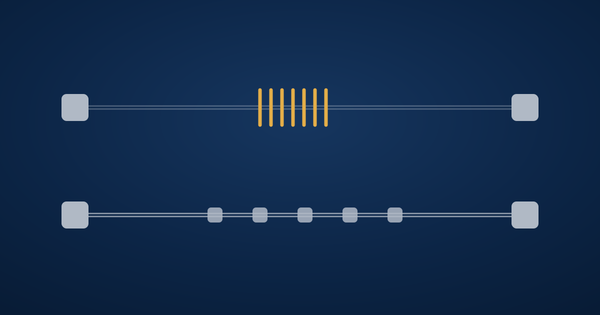
The flow is clean. A client asks for a resource behind a paywall. The server answers 402, naming the amount and the recipient. The client sends the request again, this time with a payment authorization header. A facilitator verifies and settles. The server returns the resource with a header confirming what happened.
On 23 September, Cloudflare and Coinbase announced a foundation to drive the protocol's adoption, and Cloudflare added support to its Agents SDK and its MCP server integrations. It also proposed a deferred scheme that separates the cryptographic handshake from settlement, using HTTP Message Signatures, so that trust is established immediately while the money moves later, in batches or on a subscription. Settlement runs on stablecoins — the demonstration used test USDC on a Base testnet — and Cloudflare says future versions could carry cards and bank accounts too.
The intended users are telling: publishers monetizing access, and agents paying per use with no account, no subscription and no API key. Cloudflare mentions, in passing, that sites on its network send over a billion HTTP 402 responses a day.
Now note what x402 assumes. There is no human anywhere in the flow. Software buys a resource from software. There is no cardholder, no merchant in the card sense, no authentication of a person, and nothing that resembles a dispute. It is machine-to-machine commerce with settlement attached.
ACP: handing a cart to the merchant
The third is the one that got the headlines, because it came with a product.
On 29 September, OpenAI launched Instant Checkout in ChatGPT with Etsy sellers live and Shopify merchants to follow, built on the Agentic Commerce Protocol, developed with Stripe and open-sourced. The merchant keeps orders, payments and fulfillment on its own systems. ChatGPT passes information between the buyer and the store, and OpenAI charges the merchant a small fee on completed purchases.
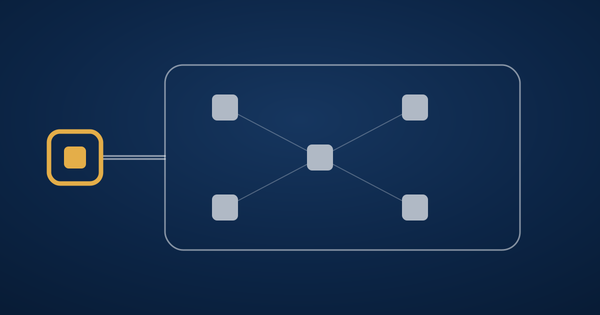
ACP assumes something different again. The merchant is the principal and keeps the transaction. The agent is a discovery and referral surface that hands over a cart. The payment relationship never leaves the merchant.
Three theories of what an agent is
Put the three assumptions next to each other and the picture changes.
AP2 says the agent is an instrument. A human is the principal. The agent carries a signed authorization and acts within it. The protocol exists to prove, after the fact, what the human agreed to. This is the law-of-agency model, and it is the most familiar one to anybody who works in payments, because it maps onto a cardholder giving consent.
x402 says the agent is a party. There is no human principal at all. One piece of software buys something from another and settles in stablecoin. Nobody is authenticated, because there is nobody to authenticate. This is not agency. It is two counterparties transacting, and it looks far more like wholesale settlement than like retail payments.
ACP says the agent is a channel. The merchant is the principal and owns the transaction. The agent discovers, compares and assembles, then hands the cart back. In this model an agent is closer to an affiliate link than to a buyer.
These are not three implementations of one idea. They are three different answers to the question who is the counterparty, and in payments that question is not philosophical. It determines everything downstream: who is authenticated, what evidence exists, which rules apply, and who absorbs a loss.
An instrument's errors belong to its principal. A party's errors belong to the party. A channel's errors belong to whoever the channel delivered to.
You cannot write one dispute rule that serves all three, because they do not agree on who is standing where. Which is, I think, the real reason no dispute rule has been written. It is not slowness. It is that the prior question is genuinely unsettled, and nobody wants to settle it, because whichever answer you pick assigns a great deal of money to somebody.
The careful verbs
There is a tell running through all of this, and once you notice it you cannot stop seeing it.
Google says the mandate chain provides a basis for accountability. Not accountability — a basis for it. Mastercard, describing its intent data, says the audit trail can help prevent or resolve disputes. Not resolve — help resolve. Visa, back in April, said its commerce signals help to manage disputes.
Three companies, three announcements, three carefully hedged verbs, all pointing at the same gap.
I do not read these as evasions. I read them as accurate. Every one of these protocols genuinely does produce better evidence than we had before, and the engineering behind the signed mandates is real. What none of them can do — what none of them is even in a position to attempt — is state what that evidence entitles anyone to.
That is a rules question, and a protocol is not a rulebook. A protocol can be published by one company on a Tuesday. A rule has to be agreed by parties who lose money by agreeing to it, and takes effect on a date, with obligations attached.
So expect the pattern to continue. Many more protocols. Very few rules.
From a Mexico City desk
Two observations from here, and the second one bothers me more than the first.
The first is about x402, which is the protocol a card processor should find least interesting and should probably find most interesting.
Least, because it has nothing to do with us. No cards, no interchange, no authentication, no chargebacks, no acquirer. A market of software buying data, compute and model access settles in stablecoin and never touches a bank.
Most, for exactly the same reason. That is a payments market forming with no seat for an issuer or a processor in it. If the volume is small it does not matter. If it is not, then we will have watched a category of commerce come into existence entirely outside the four-party model, and the conversation about whether we should have participated will happen after it is too late to.
And for México the sting has two edges. x402 settles in dollars, which is not our currency, over infrastructure we can technically reach, under a legal treatment regulated Mexican institutions cannot currently use. So we sit outside it twice: once because the settlement asset is not the peso, and once because our own framework keeps regulated institutions away from the asset class entirely. The thing closest to working here is the thing furthest from being permitted here. That gap is where regional policy should be arguing, and as far as I can tell it is not arguing anywhere.
The second observation is about the sixty companies.
AP2 launched with more than sixty supporters. x402 has a foundation. ACP is open-sourced with Stripe. These are the bodies that will decide what the standards say, which fields exist, what gets signed and what an audit trail must contain.
I have gone through the named participants and I cannot find this region in them. Not a Latin American bank, not a regional processor, not a national payments association. Sixty companies, and the market that will inherit every one of these decisions is represented by none of them.
That is not malice. Standards bodies are built by whoever shows up, and nobody from here showed up. But the result is the same either way: the fields that will one day determine who pays for an agent's mistake in México are being specified right now by people who have never processed a transaction here, and who will never be asked to absorb the consequences of getting it wrong in our market.
We inherit rules. That has always been true and complaining about it is not useful. What is useful is noticing, early, that the inheritance is being drafted — and that it is being drafted in working groups that are, at this stage, still open.
My judgment
Thirteen days produced three protocols and no rules. I do not think that is a failure, and I want to be fair about what was accomplished: the industry now has cryptographic proof of intent, a working machine-to-machine payment flow, and an open commerce handoff. A year ago it had none of those.
But the thing that would actually let an issuer act — a shared answer to who the counterparty is, and a rule that follows from it — moved not at all. And the three protocols made it harder rather than easier, because each one now has implementations, partners and momentum behind a different answer.
So my prediction, offered plainly so it can be held against me later: the standards war everybody is writing about will not resolve the way wars resolve. These three will coexist, because they serve different transactions, and the industry will end up with agent purchases arriving under at least three incompatible theories of what just happened.
At which point the rulebook will have to pick one, or write three. Neither is going to be quick, and neither is going to be popular.
The practical consequence for anyone in an operating seat is smaller and more immediate than that: start asking which theory a given agent transaction was built under, because the answer tells you what evidence will exist when you need it. An AP2 transaction has a signed mandate chain. An ACP transaction has a merchant with a full order record. An x402 transaction has a settled stablecoin transfer and nothing resembling a cardholder at all.
Same word, agent. Three completely different files on the day something goes wrong.
Three questions for the people who own this
1. Of the three models — agent as instrument, agent as party, agent as channel — which one does your institution's dispute policy currently assume? If nobody has asked, your policy assumes the first one by default, because that is what every existing rule was written for.
2. If a machine-to-machine payments market forms with no card in it, does your institution have any strategy at all, or is the plan to find out later how large it got?
3. Is anyone from your country — your bank, your processor, your payments association, your regulator — participating in any of these standards efforts? If the answer is no, who would you expect to be, and have you asked them?
Reply to this email with a line or two. The sharpest answers will shape the next issue.
Sources
Digital Commerce 360, 19 September 2025 — Google's Agent Payments Protocol, announced 16 September: mandates as tamper-proof cryptographically signed records, Intent and Cart Mandates, delegated shopping, the non-repudiable audit trail, and the partner list. Link
Cloudflare, 23 September 2025 — the x402 Foundation with Coinbase: the HTTP 402 flow, the facilitator, the proposed deferred scheme using HTTP Message Signatures, stablecoin settlement, the Base testnet demonstration, and the intended users. Link
TechCrunch, 29 September 2025 — OpenAI launches Instant Checkout with Etsy and Shopify, built on the Agentic Commerce Protocol with Stripe; the merchant retains orders, payments and fulfillment, and OpenAI charges a fee on completed purchases. Link
The reading of the three protocols as three incompatible theories of the counterparty is mine. The quoted characterisations — a basis for accountability, help prevent or resolve disputes — are the companies' own wording.